
Changing Tactics
Why I dropped online art platforms Saatchi and Cohart to find my own path

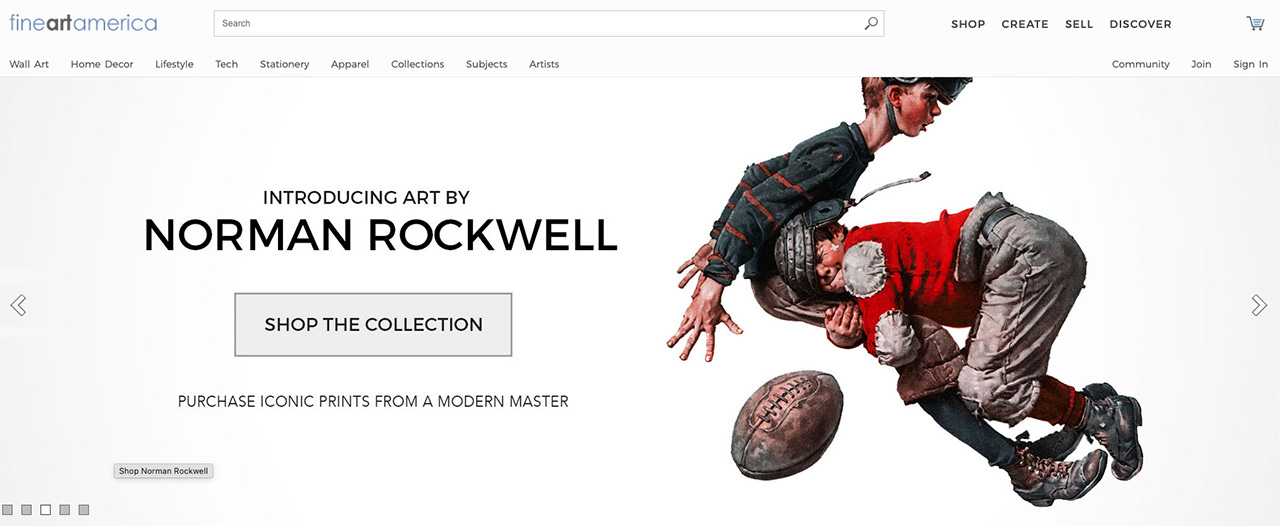
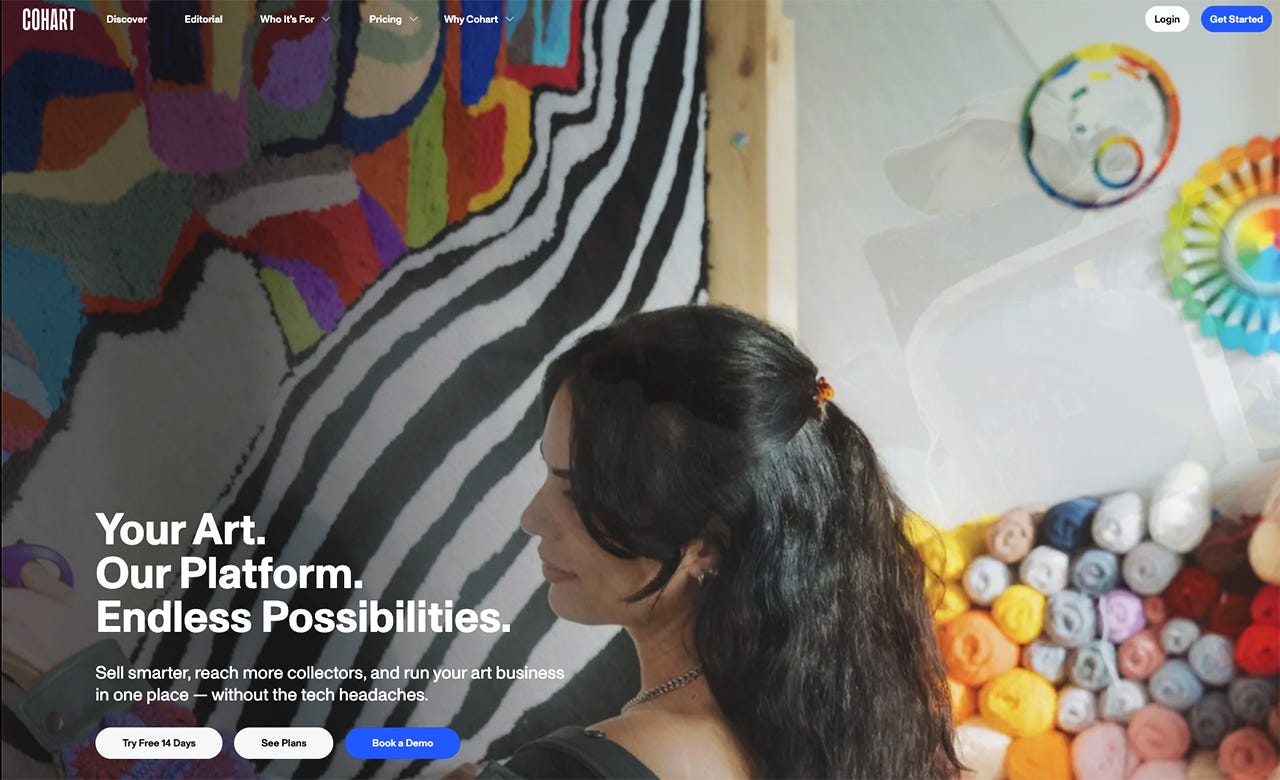
A few years ago someone suggested that I start putting my work on sites like Fine Art America, Art Pal, Saatchi, and one of the newer arrivals Cohart to extend my sales and build a following. At the time I knew a bit about Saatchi and had hear of Fine Art America, but Art Pal and Cohart were unknowns to me. I’m not the kind of person to just jump in so I started doing a bit of research and after a couple of weeks narrowed it down to Saatchi and Cohart.
I liked both over Art Pal and Fine Art America for a couple of reasons. First off they were interested in actual artwork and not print on demand which the other two seemed to focus on. I didn’t want my work reproduced on mugs, or blankets or some other product. The other rub I had was both Fine Art America and Art Pal had a focus on licensed material. Magazine covers from Sports Illustrated, Rolling Stone, famous photographs of celebrities and more. They seemed to be promoting those over any of the artist using their services and it just left me with a bad feeling.
So, with my choices narrowed down to Saatchi and Cohart, I decided to pull together a few pieces that I want to build portfolios out with and test the waters. I gave myself a deadline of 18 months to build up and track sales results. To monitor progress and determine if these two platforms were worth the effort. I had read success stories as well as the deterrents, so I knew it wasn’t going to be an overnight success. That it was going to be a long game with slow and steady progress if I had any at all.
So here’s what I learned and why I dropped both of them about nine months ago.
First off both platforms push artists that have large followings on social media and have brought that with them. They are looking for artists with sales records that bolster their platform because this is where they make their money. So, if you are the new kid on the block, it’s going to require a lot of hustle to cut through the noise, get discovered and hopefully promoted by the platform itself.
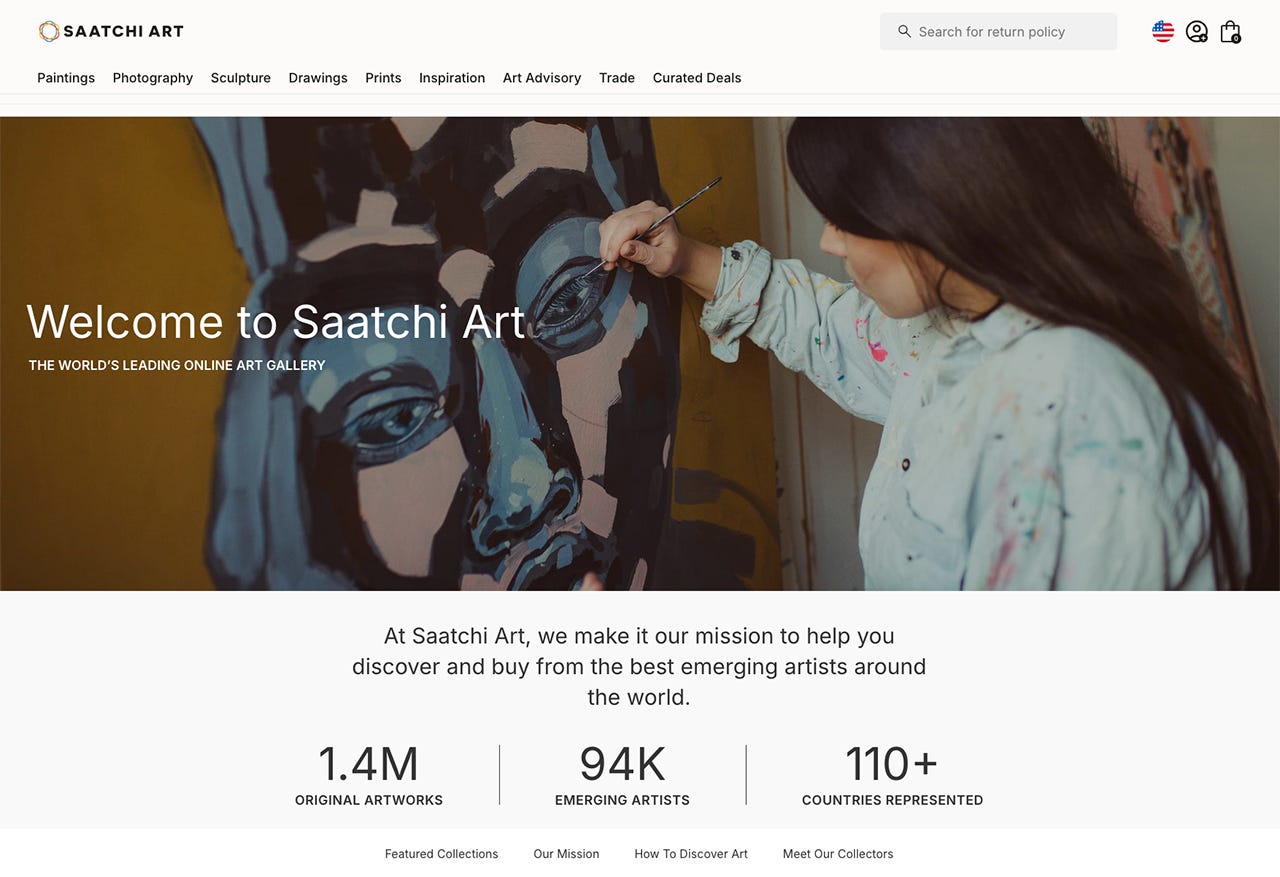
Consider this, Saatchi Art has about 94,000 artist on their site. And while they claim that they have sold 1.4 million works in 110 countries, they do not tell you over what period of time. Yes they have an extensive reach, but they are focused on promoting a small number of the 94,000 artists using the service.
If you want to succeed, you are going to have to promote the living hell out of you and your work. That means constant emails and pushes to social media every time you upload a new work. It becomes a full time job unto itself and even then there is no guarantee for success. It’s not impossible, but you need to consider the amount of time you will need to spend making reels and videos, cross promoting to Facebook, Instagram, TikTok, Threads, YouTube and every other platform under the sun and making sure that all of those link back to the platform you are using.
I spent about nine months working on a promotion strategy for both platforms. Since I don’t make process videos or reels it meant that I would have to promote my work, each new piece uploaded, through my own personal mailing list and to the two social media platforms I used on a regular basis - Threads and Instagram.
What I learned was even though I was promoting via social media, that promotion was getting lost in the noise of those platforms. I was a slave to the whims of the algorithm and had little control over the success or failure of those posts. More importantly I wasn’t reaching the right people even when I tried setting up the Instagram posts with a paid promotion to reach a wider audience.
I got views, but no engagement. I got click throughs, but no conversions to sales.
Email did slightly better because my list were people that had purchased work before or that I knew. {People that were interested in what I was working on and wanted to see the latest work that I was promoting. The interesting thing is though, most of these people would check out the work on either Saatchi or Cohart and then reach out to me for a studio visit or ask me to send them higher resolution better quality images. If they were interested in a purchase, they bought directly from me.
In eighteen months on Saatchi and Cohart I made one sale through Saatchi. I had little to no organic growth on either platform, and found that I could do better by emailing potential collectors directly. In addition I had more success by word of mouth or by applying for open calls to exhibitions where people could see my work in person and talk to the gallerist about the work and the artist that made it.
At the end of a year and a half I decided it was time to change things up and develop a new strategy moving forward. I dropped both Saatchi and Cohart so I could focus on my own website and promotion of my work.
I did this for a number of reasons. I control the content. I control the promotion. I’m not competing with any other artists, and the noise the other platforms had. I could grow my email list and I could be more selective about how I chose to engage with social media platforms.
My approach is fairly simple. I exported my subscriber list from Substack which had been slowly building over the last year. I merged that email list with my existing one and subdivided it into a handful of different categories. Current owners, Substack subscribers that haven’t purchased, local galleries, galleries that have shown my work, publications that have featured my work, people that like my work but have never collected.
Then I rebuilt my website with a transactional page and a blog page. When I upload new work to the portfolio section, if that work is available it goes on the transactional page. When this happens I send an email to some of the lists above. The people that have already purchased, the people that have expressed interest, galleries both locally and that have shown my work in other states. The goal is to let them know I have new work available, and they are finding out first. Sort of an insiders club for interested parties.
Blog posts get emailed to a more general audience including those listed above, and the blog posts get cross posted on social media platforms as well. Blog posts happen about once a month, and I try to keep them short enough that they are manageable and quick to read. The rule of thumb is they should take more than five minutes of your time to read on average.
The third component is direct posts to social media. I have links in my bio on all platforms to my portfolio site, but I’ll be honest I’ve never made a sale from social media. The social media posts are there to get a bit of discovery, and show that I am active when a gallery or collector decides to look. Its part of the current world of discovery and unfortunately a necessary part of life these days that isn’t going away any time soon. And no I don’t have accounts on every platform. I dropped Facebook, Xitter, Bluesky, and LinkedIn. I never had any success with them and simply didn’t want to continue to put in the effort there.
Finally I spend every Monday morning looking through open calls, researching the gallery sites associated with them and applying for calls that is a good fit for my work. I’ve had about a 60 percent success rate for being accepted and about a 30 percent success rate for sales at those venues. More importantly with each one I have either seen an increase in traffic to my website or received an inquiry about my work via email.
This is what has been working for me. It requires less effort on my part than the constant hustle with platforms like Saatchi, Cohart, Art Pal etc, and I’ve had more success working this way. It also frees up more time to be in the studio working rather than sitting gat the computer or on a device constantly promoting in a sea of other artist competing for the same eyes.
I’m not saying don’t use any of the platforms I’ve talked about here. I’m just saying that they weren’t worth the effort for me. If you research them you’ll find loads of videos telling you how to sell your art on them and claiming things like “I made $400,000.00 last year selling prints through…”. If it’s true it’s rare or probably a bit of an exaggeration.
At the end of the day, keep going and keep trying new tactics until you find what works for you. There’s not a one size fits all approach and what worked for me might not work for you or anyone else.
And remember, it’s a long game so patience is your friend.