
Neutrality
Is it neutral, forgettable, or does it leave you asking more questions?

This morning I was having a conversation with a couple of artists friends over coffee, discussing the current state of the gallery scene both locally and in various regions across the U.S. All of us had been talking about applying to open calls via various online organizations and the need to check the gallery websites before applying to see if any of our work was a good fit.
The realization all three of us had was that about ninety percent of the time, our work isn’t. Not that any of our work is bad, it just isn’t close to what most galleries are showing on their websites. Especially smaller venues that cater to an audience more interested in what could be called “Neutral Images”. Artwork that doesn’t challenge the viewer and sits almost passively in a room, supporting its surroundings. There’s nothing wrong with that kind of work, and from a gallery perspective, it’s probably much easier to sell since it appeals to a wider audience on most levels.
Now, before anyone gets their feathers ruffled, I’m not knocking or condemning any art form, style, subject matter, or artist. I have plenty of artwork in my personal collection that would fall into the same so-called neutral category my friend Robert mentioned in our conversation. The image below is hanging in my living room right now and would probably be considered “neutral”.
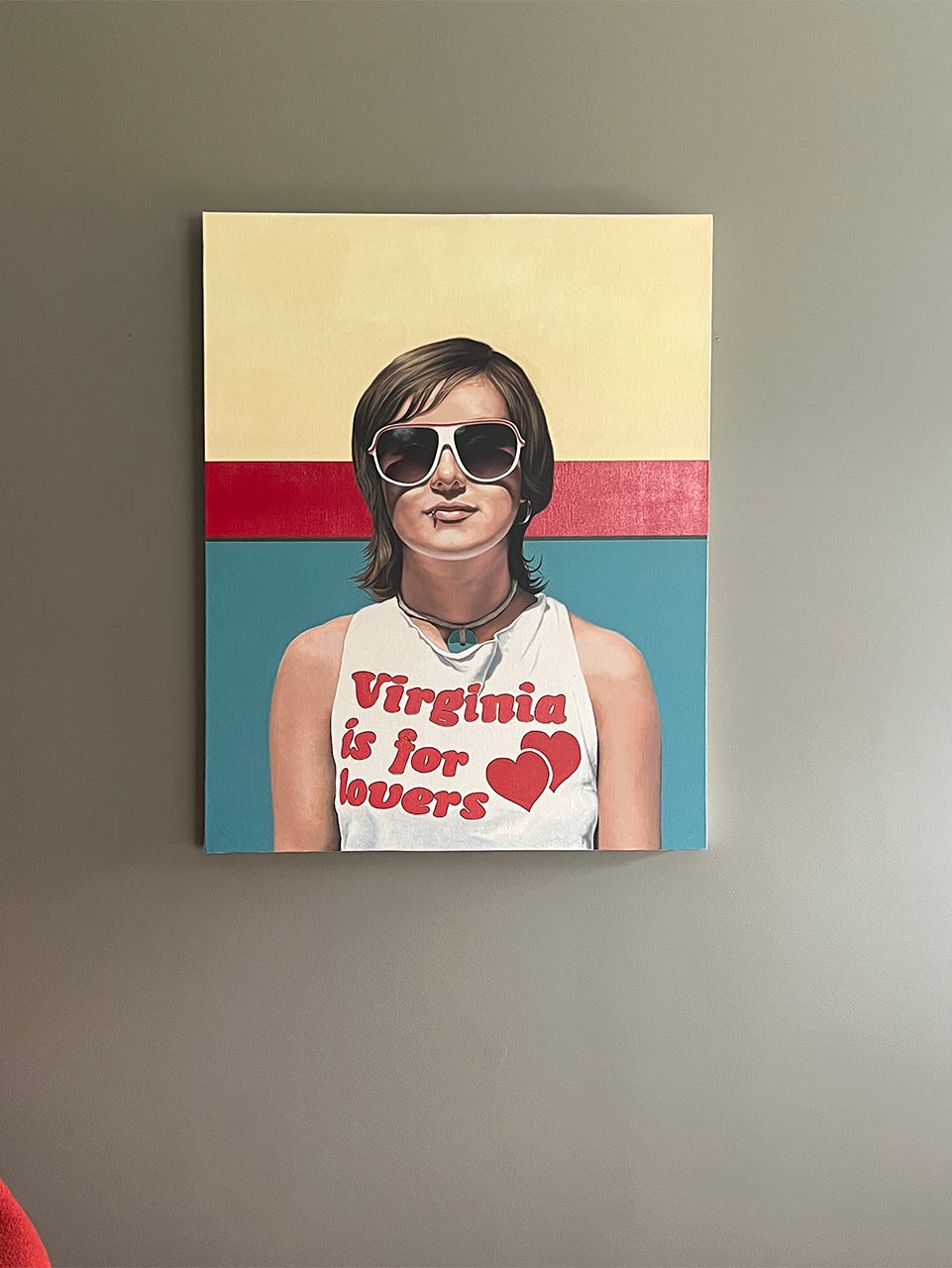
The work is technically masterful in its own right, well-executed, pleasant to look at, non-offensive, well-composed, and presented in a way that is both liked and enjoyed. It appeals to a wide audience for more reasons than we have time for today. That could be a post unto itself. Actually, multiple ones, and other people are much better versed and educated who would do a better job of talking about that than I would.
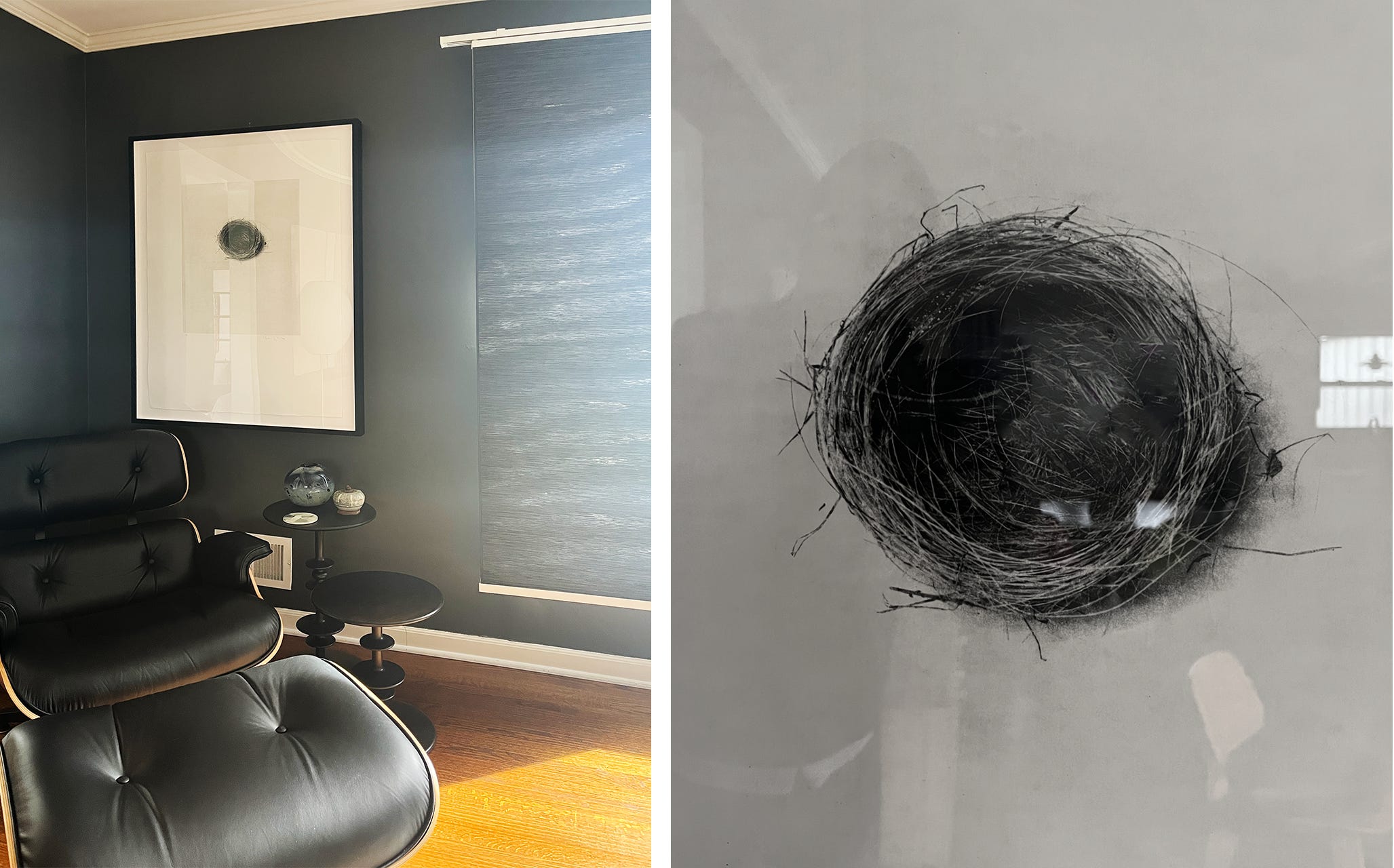
All of this leads up to something, Michael, a portrait painter said to both of us. “It’s neutral, but is it forgettable? The problem I have with so much work I see online these days is that it all looks the same. A trend, style, or process catches on, and then everyone starts doing the same thing. They all get lost in a sea of sameness. No one seems to be pushing the boundaries. I see a lot of work that could have been made by any number of artists, all copying each other stylistically, and with the same visual language.”
Wow. Food for thought. I hadn’t really paid that much attention to it, but then again, I don’t spend that much time on platforms like Instagram or Facebook looking at art. Apparently, Michael does because he proceeded to show both of us more examples than I care to count. And to his point, there is some truth to what he said. At least from the examples he showed us. All of which got us to the next part of the conversation.
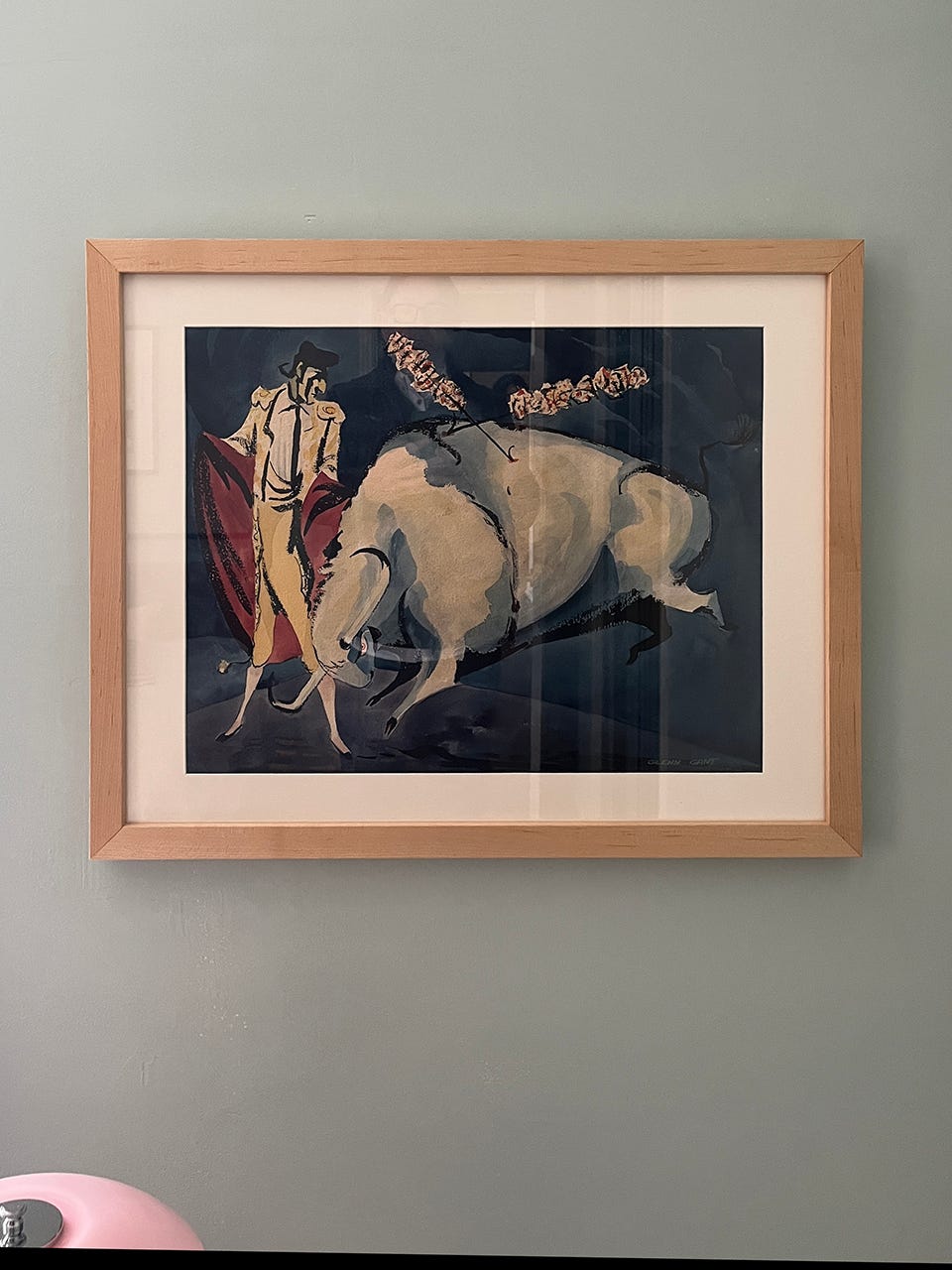
Is it better to produce artwork that is neutral and appeals to a wide audience, or to continue to make artwork that is true to your vision and doesn’t follow trends, try to blend in? Work that could pass for any number of other artists’ work, or follows a tried and true formula using proven techniques instead of pushing the envelope in terms of concept and thinking. Work that might not appeal to everyone and leaves the viewer asking questions and thinking about the work long after they have walked away from it.
It’s a question I can’t answer. It’s a question that many people will answer differently and have strong opinions about, none of which are right or wrong. That’s the beauty of art. It doesn’t have to appeal to everyone, and not everyone needs to understand it or even like what you make.
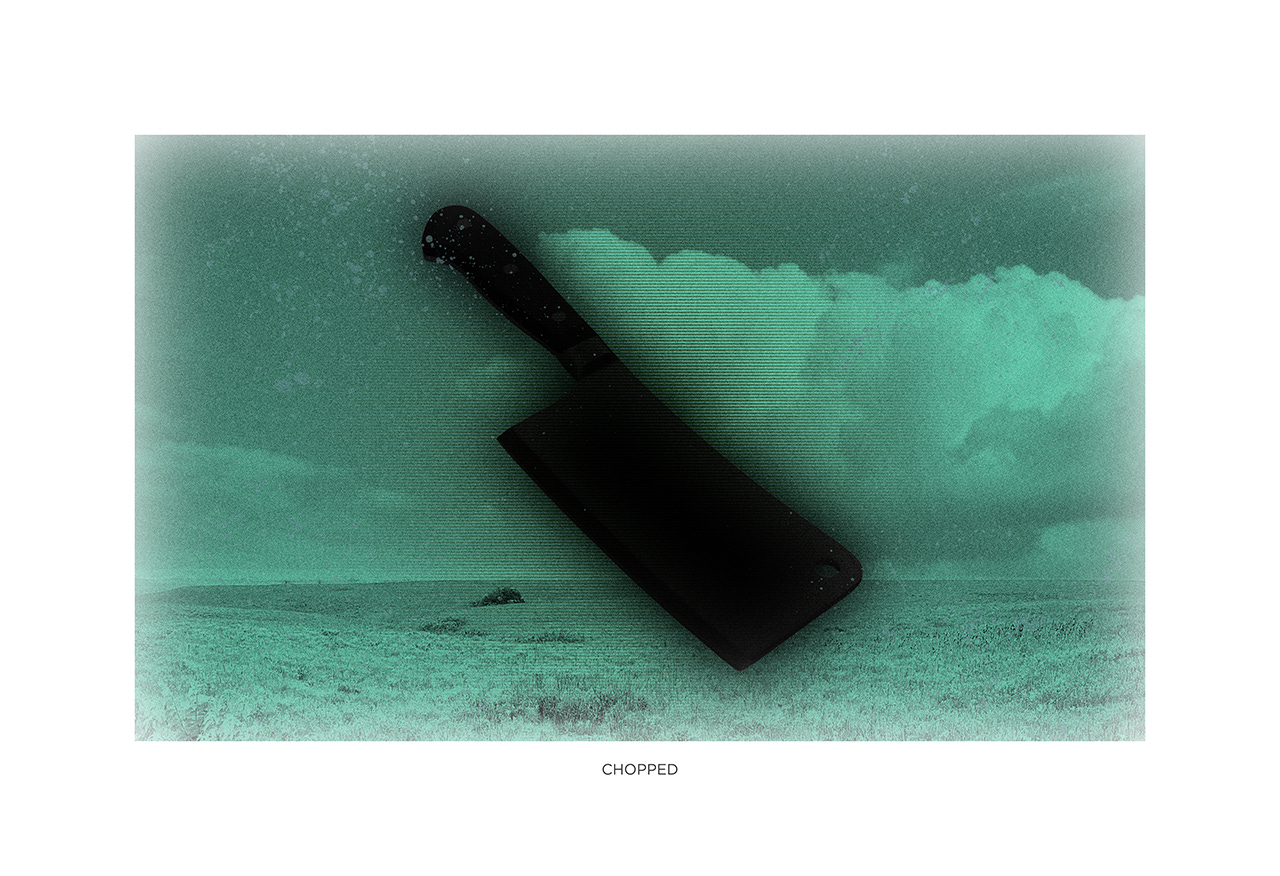
Personally, I like making work that leaves people scratching their heads a bit. Hopefully, that has them thinking about it long after they walked away, and maybe has them asking themselves what was that about? Hopefully, they want to come back and look at it again. My work is definitely not “neutral” in any sense of the word, and it probably never will be. It’s not that I’m not capable of working that way, it’s just that I started to move away from it years ago, as I became more and more interested work was a bit ambiguous, where the meaning was not clearly or easily defined.
Has this decision impacted my success as an artist? It’s hard to say. I show my work regularly in various galleries around the United States. I’ve been asked recently to participate in group shows in Europe, and over the last few years, I have been published in a number of fine art magazines and journals. At the same time, though, work sells slowly, but sales aren’t really the goal. I mean, I’d love to sell more, but if I don’t, it won’t stop me from continuing to make the work that I make. I could have compromised ages ago, but I didn’t, and at this point in my life, it seems rather pointless to now.
My work is evolving though, and not towards anything neutral.
For me there are two separate things going on here, most of the time hopelessly conflated. There's making art to sell, and making art as a deepening mystery. Some people get a bit of skill and then start to think, 'oh, is this good enough to sell?', and feel validated when it does. Some people get drawn to the mystery and decide that they want to be part of what they see as a funky bohemian world, and decide they want this as a job. Some people are seriously living exploration of the mystery and hope to be 'recognised' so that they can focus on it all the time. All of these people need the galleries, or something like them (online etc).
Then there are the galleries. They can't afford to care about the mystery unless it sells. They're a commercial enterprise. Many of the people that come to them are looking for something to match a wall colour, compliment a sofa, ot fill in a blank space. Or, investors, which is a whole other thing, still nothing to do with the mystery, at least most of the time.
And then there's following the mystery, which may never, or only occasionally pay...
Fair questions. I think you make what you’re drawn to, just like the swallows inexplicably fly back to Capistrano. But it also depends on how deeply the viewer is looking. You can’t “push the envelope” if a viewer is not ready to look or feel deeply. My portrayals of abandoned homes are neutral enough, for example. And the house is a symbol of the family, the self, society… Most people don’t go down that rabbit hole. I wish they would.